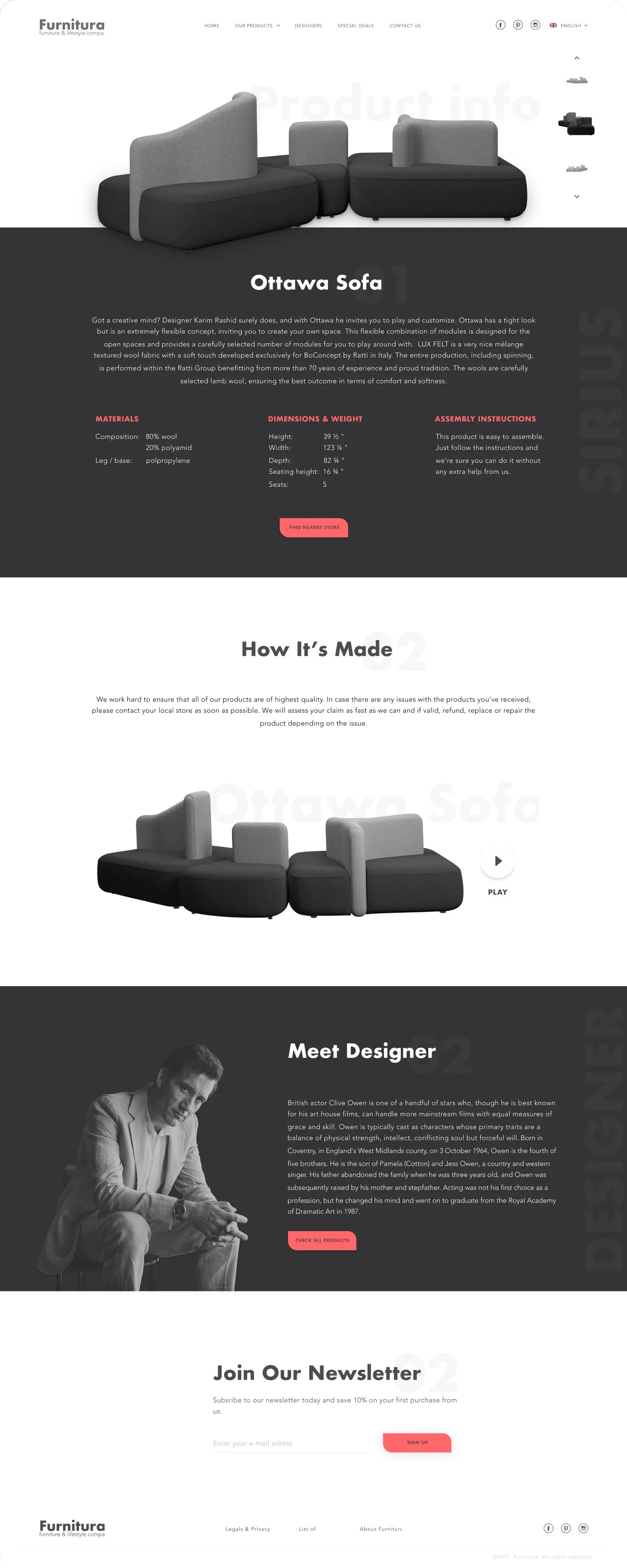
Well-designed interfaces offer much more than just aesthetics. They attract visitors and help people understand the product, company, and branding through a variety of indicators, encompassing visuals, text, and interactions. That means every element of your site needs to work towards a defined goal.
Discovery
The discovery stage of the process is all about information-gathering. This step is important for you to understand more about your client’s business and industry, their target market and customers, and the ultimate goal/aim for the website / app.
Sitemap & wireframes
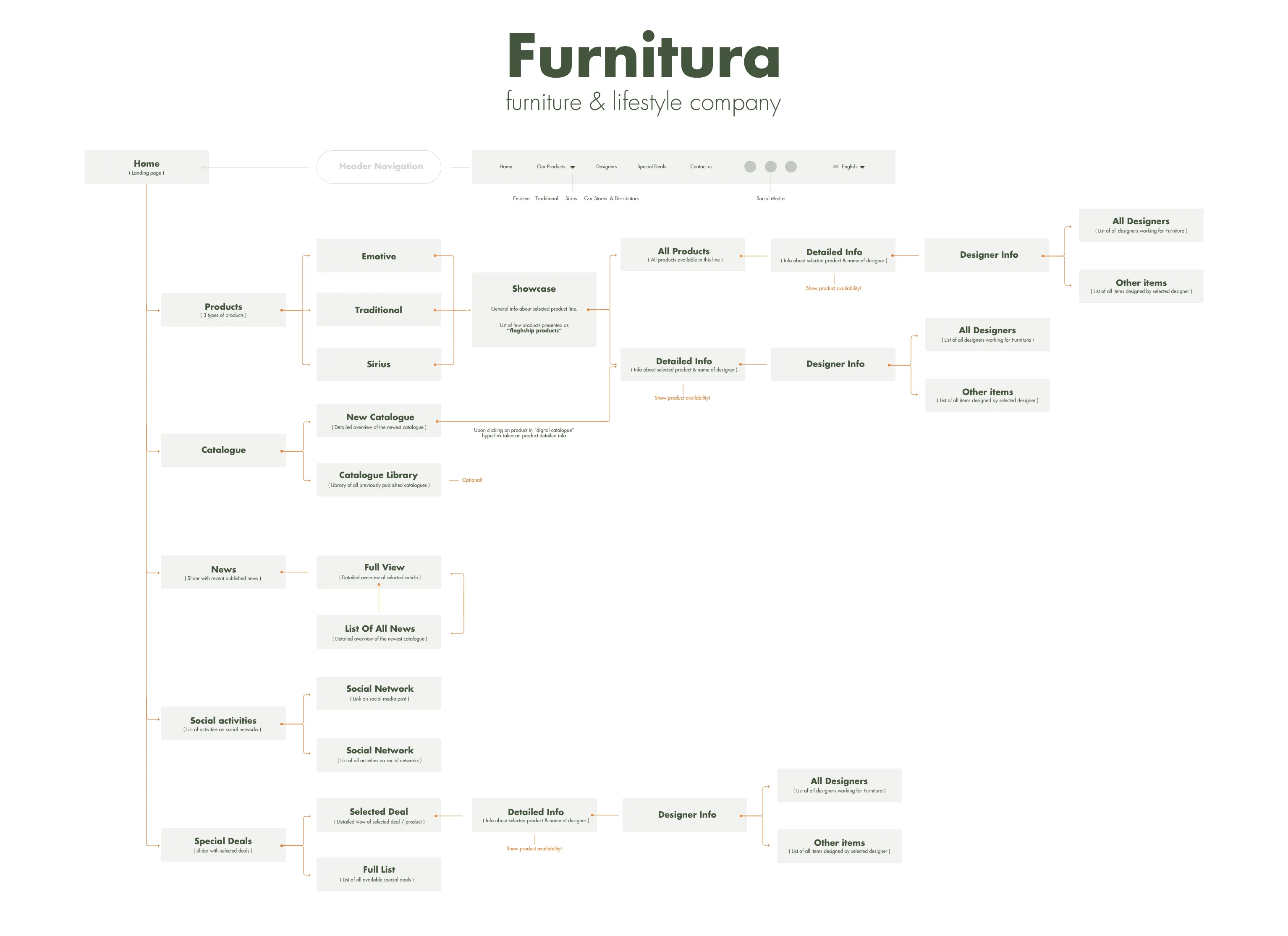
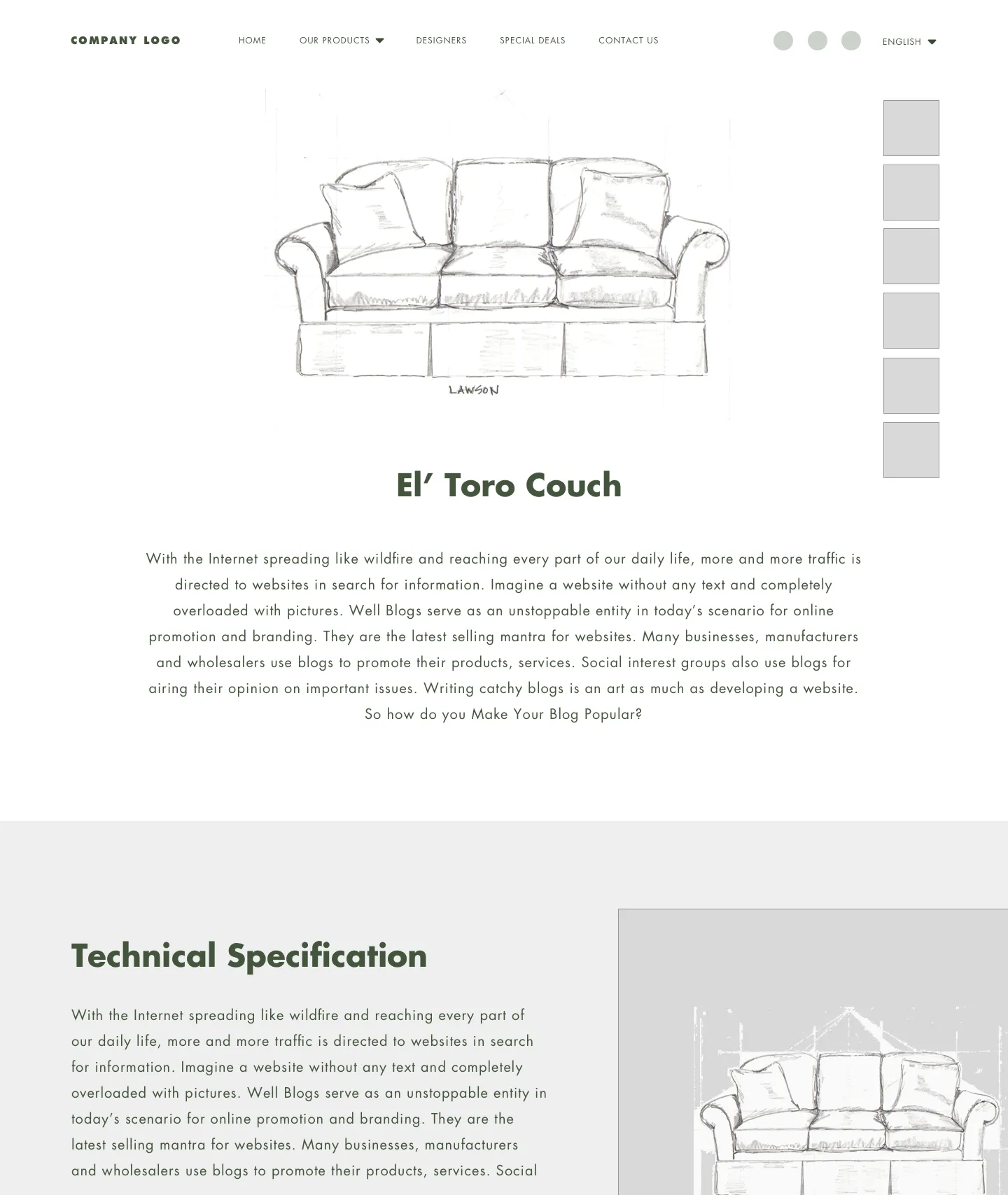
Planning prior to working on any design has several benefits, since you can build your design around the most important pages, plan the website navigation more efficiently, and get an overall idea of the content that still needs to be written.
Visual direction
Once the blueprint for the site has been defined through the creation of the sitemap and wireframes, the next step is to create a visual style. This part of the design process will often be shaped by existing branding elements, colour choices, and logos, as stipulated by the client. But it’s also the stage of the web design process where a good designer can really shine.